You’ve got three quotes for the same process skid sitting in front of you. One is noticeably lower than the rest, and the pressure to take it is real. But here’s what 30-plus years of building custom process systems has taught us: the lowest bid and the lowest total cost of ownership are almost never the same number.
What total cost of ownership really means
Total cost of ownership is what a system actually costs you over its working life — not just the price on the purchase order. It includes installation, startup, rework, downtime, documentation, maintenance, and the support you need years after delivery.
The bid sheet shows you one number. Total cost of ownership shows you the real one. The gap between them is where budgets quietly go to die.
Why the lowest bid is rarely the cheapest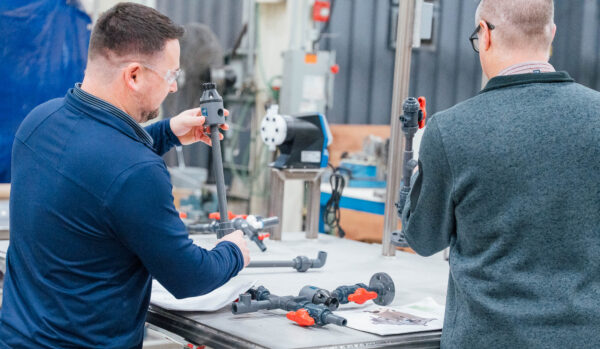
A low quote usually isn’t low because one shop is smarter with a dollar. It’s low because something got left out.
Cheaper materials. Thinner documentation. Testing skipped or rushed. A scope written narrow enough that the extras you assumed were included turn into change orders later. None of that shows up when you line the bids up side by side. All of it shows up after the equipment lands on your floor.
The costs a low bid pushes downstream
When a quote comes in well under the others, the savings rarely disappear — they just move to a part of the project you haven’t paid for yet. Here’s where they tend to land:
- Rework and field correction. Equipment that arrives with leaks, wiring errors, or components that don’t fit means your team finishes the fabricator’s job in the field — on your clock.
- Schedule slip and downtime. A skid that fails its first startup doesn’t just cost repair time. It holds up everything scheduled behind it.
- Change orders. A narrow scope is cheap to quote and expensive to live with. Every clarification becomes a line item.
- Documentation gaps. Missing as-builts or material test reports can stall an audit or a handoff for weeks while someone tracks down what should have shipped with the system.
- Premature failure. The wrong alloy or a skipped passivation step won’t show up at delivery. It shows up as corrosion 18 months in, when the system is in service and failure is most expensive.
- Post-delivery silence. A vendor who disappears after shipment leaves you on an island the first time you need a part or a straight answer.
What AmeriChem does differently
Our whole model is built to take those downstream costs off the table before the system ever ships.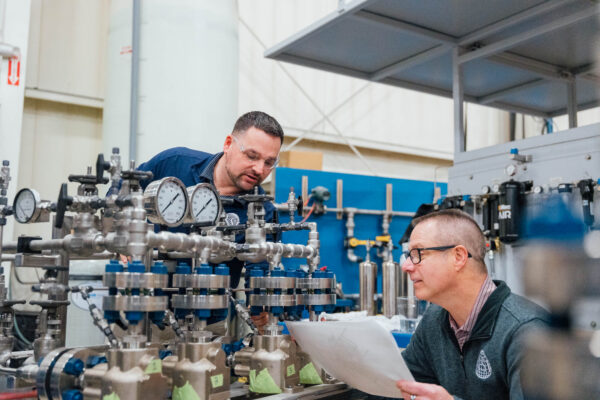
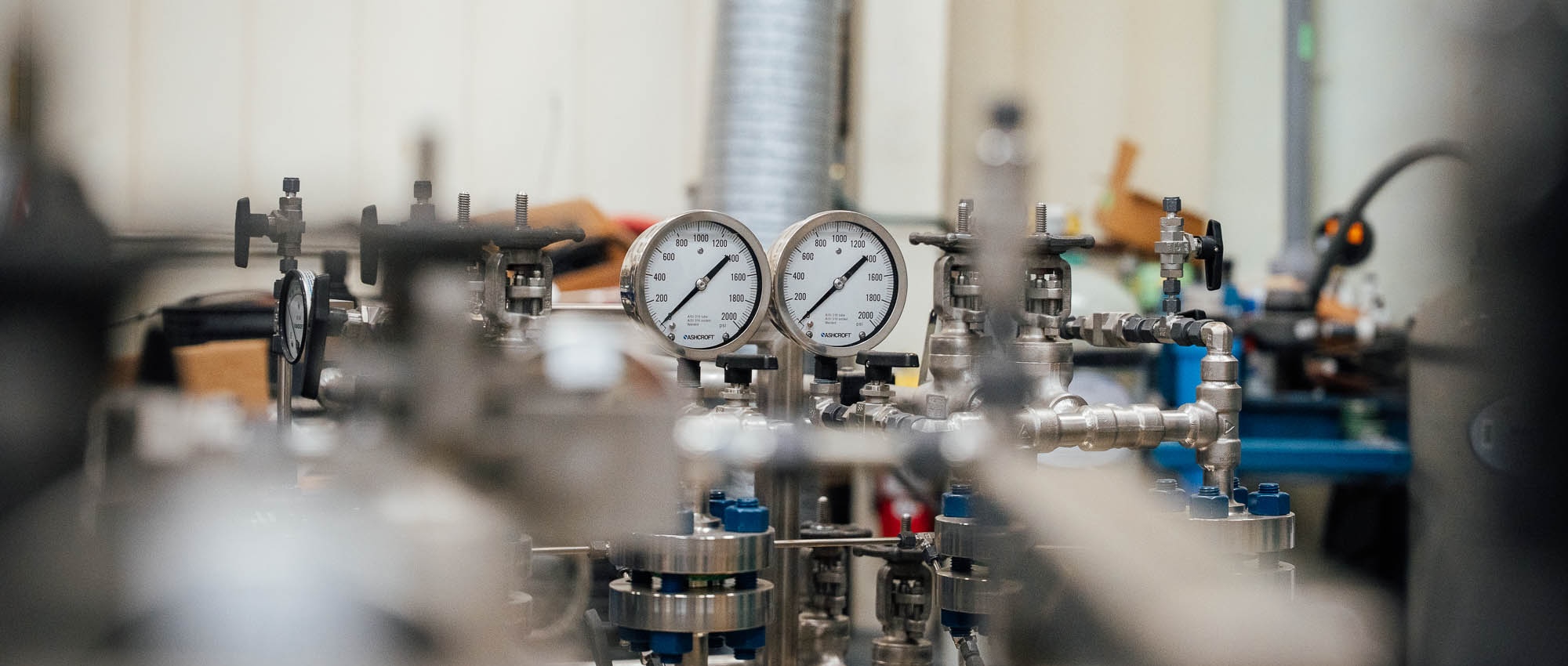
Design, electrical, fabrication, and quality all happen under one roof in Aurora, Illinois — one team, one point of accountability, fewer handoffs to drop the ball. Every system leaves the floor fully assembled, fully tested, and leak-free, so startup is a formality instead of a fire drill.
Every build comes with the documentation engineers actually need: as-built drawings, mechanical and electrical drawings, manufacturer IOMs and data sheets, and material test reports. We work in corrosion-resistant materials — 304L and 316L stainless steel, PVDF, CPVC, and PVC — selected and finished for the chemistry they’ll face, not for the lowest material line on a quote.
And we’re still there after the truck leaves. One customer put it plainly when they chose us over a cheaper bid:
“We feel like AmeriChem would be easier to work with. We aren’t concerned with being nickel and dimed with you guys. We trust that we will get professional quality work. You weren’t the lowest bidder, but we know we will get what we pay for.”
How to compare quotes on total cost of ownership, not price
You don’t need to be cynical about a low bid — you just need to know what to ask before you sign. A few questions surface the total cost of ownership a price tag hides:
- Is the system fully tested and assembled before it ships, or is final assembly on me?
- What documentation comes standard — and is it audit-ready?
- What exactly is in the scope, and what’s likely to become a change order?
- What materials are specified, and why those?
- Who do I call two years from now when I need support?
Frequently asked questions
Can you do it faster, or for less money?
Sometimes, yes — we’ll always look for ways to hit your budget and timeline. But we won’t get there by cutting testing, documentation, or material quality, because those are the costs that come back later. We compete on total cost of ownership, not on being the cheapest line on a bid sheet.
Why should I choose AmeriChem?
Single-source engineering and fabrication systems that ship fully tested and leak-free, complete documentation, and support that lasts. We’ve shipped equipment to 36 states and 22 countries over 30-plus years, and many of our customers have come back for decades.
Is there a charge for a quote?
No. Quoting and in-house design assistance are part of how we help you scope a system correctly the first time.
Are systems tested in house, and how thorough is the testing?
Yes. Systems are assembled and functionally tested in our shop before they ship — checked for leaks and verified to operate as designed — so what arrives at your site is ready to install.
Scope it right the first time
The cheapest quote and the lowest total cost of ownership are rarely the same system. If you’d like help scoping one that gets the full picture right, schedule a quick design call with our team.
Call +1 630 495 9300 or email inquiries@americhemsystems.com.